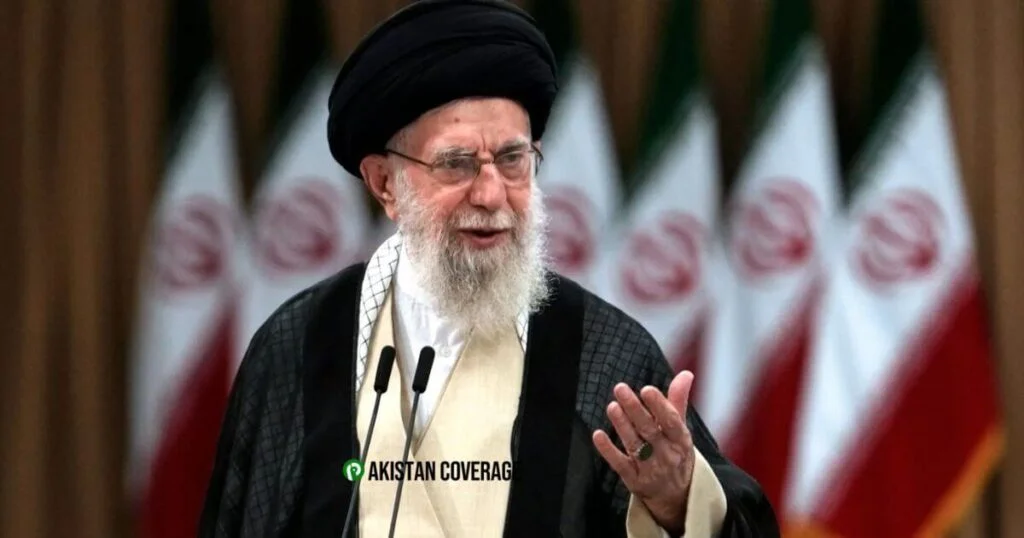
Khamenei: “U.S. Gained Nothing from Strikes”
Iran’s Supreme Leader Ayatollah Khamenei dismissed recent U.S. and Israeli strikes on Iran’s nuclear sites as ineffective, calling them “showmanship”. He emphasized that despite U.S. claims of success, Iran remains unshaken and resilient. Khamenei’s made his first televised appearance since the ceasefire, emerging cautiously from hiding.
Ayatollah Khamenei’s First Public Address Since Ceasefire
Khamenei made his first televised appearance since the ceasefire, emerging cautiously from hiding. His presence—hoarse yet resolute—was meant to reassure Iranians that leadership remains firmly in place.
Conflicting Assessments of Nuclear Damage
While Iranian officials downplayed the impact of the strikes, U.S. sources like the CIA and IAEA described the damage as “enormous,” especially to enriched uranium centrifuges at Fordow. Meanwhile, a leaked DIA report estimated only a several-month delay.
Leaked Intel Sparks Political Drama
A low-confidence Defense Intelligence Agency leak caused political tumult in the U.S., prompting Pentagon rebuttals and renewed secrecy around damage assessments, highlighting tensions between public messaging and classified data.
Iran’s Retaliation: The Qatar Base Strike
In response, Iran launched missiles at the U.S. air base in Qatar, calling it a “slap to America’s face.” Khamenei framed this as a demonstration of Iran’s regional reach and deterrent capability.
Ayatollah Khamenei’s Threats Against Future U.S. Bases
Khamenei warned that any future strikes by the U.S. would be met with renewed actions against American bases. He emphasized Iran’s readiness to defend itself and warned enemies of severe consequences.
Ceasefire Achieved After Volatile 24 Hours
Following a steep escalation—missile launches, airstrikes and political tensions—a ceasefire was brokered by the U.S. and Qatar. This pause offers a fragile moment of calm in a volatile region.
Iran’s Shift: Loosening IAEA Oversight
In the aftermath, Iran’s parliament voted to suspend cooperation with the IAEA, halting inspections. Tehran has emphasized its right to resume its nuclear program and warned of further pushback if pressured.
Regional Dynamics & Global Reactions
Neighboring countries and global powers watched closely. Oil prices stabilized after initial spikes, and international diplomacy intensified—European and U.S. leaders weighed sanctions, aid, and future negotiations.
Conclusion
Ayatollah Khamenei’s defiant tone marks a turning point: rejecting U.S. narrative, emphasizing military retaliation, and reclaiming Iran’s agency. Though a ceasefire is in place, Iran’s nuclear ambitions, regional posture, and relations with the West remain contested terrain—setting the stage for renewed diplomatic or military confrontation.
Frequently Asked Question (FAQs)
- Did the U.S. strikes cripple Iran’s nuclear program?
The CIA and IAEA say “enormous damage,” but a leaked DIA report suggests only a short-term delay. - Has Khamenei made any public appearances recently?
Yes—he spoke on state TV for the first time since the ceasefire, warning of future reprisals. - Has there been retaliation?
Yes—Iran launched missiles at the U.S. airbase in Qatar, described as a “slap to America.” - Is Iran still allowing international inspections?
No—parliament voted to suspend cooperation with the IAEA following the strikes. - Has the region returned to normal?
A ceasefire holds, but tensions and diplomacy continue as global leaders weigh their next moves.