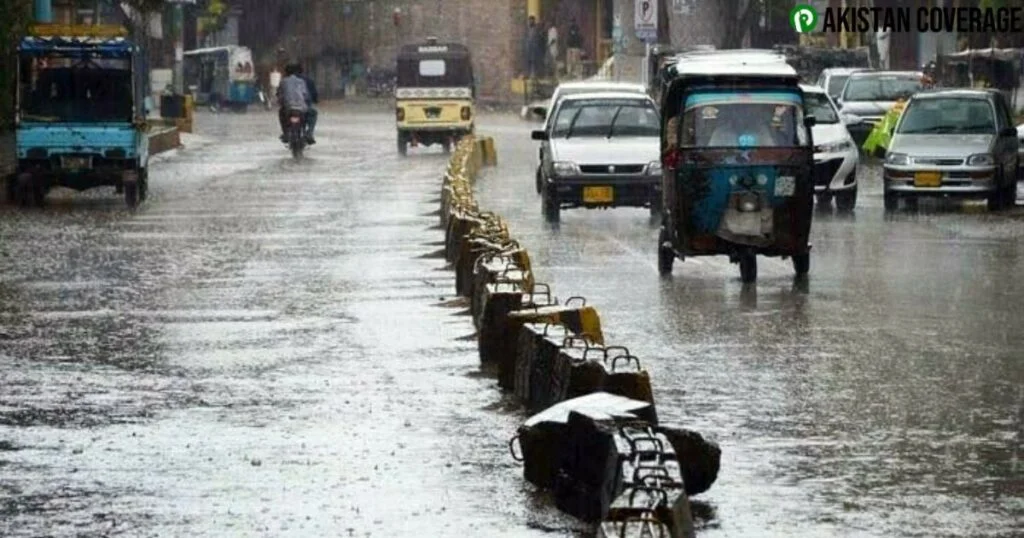
Introduction to Monsoon in Karachi
Monsoon in Karachi 2025 season—expected from late June through September—is forecasted to bring 13% above-average rainfall, heightening the risk of urban flooding in low-lying sectors like Landhi, Korangi, and Saddar. However, drain-cleaning efforts have not kept pace: many storm drains (nullahs) remain clogged with debris, while the crucial task of desilting drains has faced delays. Compounding the danger, the Sindh Building Control Authority (SBCA) reports that hundreds of dilapidated buildings—already deemed unsafe—have yet to be evacuated or secured, raising fears of structural collapse, electrocution, or fire during intense rains.
Yet, Karachi is pushing toward resilience and renewal. The SBCA has launched a 24/7 Rain Emergency Centre staffed by technical teams on round-the-clock duty, together with coordinated evacuation alerts and demolition efforts targeting dangerous structures (dawn.com). Civic and government bodies have also stepped up infrastructure preparedness, deploying dewatering pumps, suction machines, and issuing a high-alert across municipal agencies. Additionally, Karachi is tapping into climate-smart urban strategies—from sponge-city eco‑streets and green corridors to real-time rainfall and community alerts—aimed at turning each monsoon downpour into an opportunity for a greener, more adaptive cityscape.
Weather for Karāchi, Pakistan:
Current Conditions: Cloudy, 86°F (30°)
Forecast (Monsoon in Karachi):
- Friday, June 27: Low: 82°F (28°C), High: 94°F (34°C), Description: Considerable cloudiness; a couple of strong thunderstorms around this morning followed by a passing shower this afternoon
- Saturday, June 28: Low: 80°F (27°C), High: 90°F (32°C), Description: Watch for strong morning thunderstorms; breezy in the afternoon with rain and a thunderstorm
- Sunday, June 29: Low: 83°F (28°C), High: 90°F (32°C), Description: Cloudy and windy; a thunderstorm in spots in the afternoon
- Monday, June 30: Low: 84°F (29°C), High: 92°F (34°C), Description: Mostly cloudy and windy with a little rain
- Tuesday, July 1: Low: 84°F (29°C), High: 92°F (33°C), Description: Occasional morning rain; otherwise, mostly cloudy and increasingly windy
- Wednesday, July 2: Low: 82°F (28°C), High: 91°F (33°C), Description: Clouds and sun with a stray shower; breezy
- Thursday, July 3: Low: 82°F (28°C), High: 93°F (34°C), Description: Mostly cloudy
The Monsoon’s Arrival: Timing and Triggers
Monsoon in Karachi typically stretches from late June through September, occasionally spilling into October. The season usually kicks off by June 25–27, as low‑pressure systems over the Arabian Sea and Bay of Bengal converge. By late June, the city begins to see cloudier skies, morning drizzles, and occasional evening storms, marking the transition from dry heat to moist intensity. To read more about weather, click here!
From Heatwave to Heavy Rain, Monsoon in Karachi: The Weather Shift

Before the showers arrive, Karachi often battles searing heat, with temperatures occasionally soaring to 50 °C during late June (arynews.tv). But once the monsoon currents settle in, temperatures dip into the low to mid‑30s °C, while humidity and rainfall spike). This sudden change marks not just a climatic shift, but relief for many—left sweltering for weeks on end, the city embraces the monsoon’s cool embrace.
Rainfall Patterns: Steady Showers to Torrential Downpours
Rainfall in Karachi’s monsoon season varies widely. On average, the city receives roughly 237 mm of rain during June–September. Some years bring above‑normal rains, like 2003, 2007, 2010, 2017, and 2020, while others are drier. Single‑day records include extremes like 223.5 mm on 27 August 2020. Typically, the city experiences a mix of light showers and heavy squalls, sometimes lasting hours, sometimes fleeting.
Weather Events & Cyclones: Rare but Devastating
While rare, tropical cyclones and mid‑tropospheric cyclones over the Arabian Sea can dramatically impact Karachi. Cyclones like BOB 03/Yemyin have triggered winds over 110 km/h, led to flooding, disrupted shipping, and tragically claimed over 200 lives in the broader region. Even weaker systems can unleash intense downpours and high winds, compounding the regular monsoon rhythm.
Flooding: A Recurring Challenge

Karachi’s aged drainage infrastructure, blocked storm drains, and rampant urban sprawl mean that even moderate rain can cause significant flooding. The city has faced devastating floods in 2017 and 2020—the latter being the worst in decades, leaving 41 dead, waterlogged streets, damaged homes, and public-health emergencies like dengue and diarrhea outbreaks. Major flooding isn’t just about rain—it’s a result of poor urban planning, waste clogging nalas, and uncoordinated government response.
Impact on Daily Life: Traffic, Health & Economy
Monsoon brings chaotic rush‑hour gridlocks, as flooded roads turn commutes into marathon drives. Schools and small businesses often close during heavy rain. Health risks soar—standing water becomes a breeding ground for mosquitoes, triggering dengue and malaria. Respiratory illnesses escalate in damp conditions. However, farmers welcome replenished groundwater, and the cooler, rain‑soaked air offers relief after weeks of oppressive heat.
Climate Change & Future Outlook
Climate change is intensifying Karachi’s monsoon. Studies show the Arabian Sea getting warmer, shifting monsoon patterns westward, and increasing the chances of extreme cyclonic events . Meanwhile, Pakistan’s PMD warns of above‑normal rainfall for 2025, with likely threats of floods, strong winds, and temperature extremes. As dams stay low and Sindh faces drought-like conditions, strong monsoon rains could both bring relief and risk .
Community & Government Response
The Pakistan Meteorological Department issues advance forecasts, urging city authorities to open emergency operations, warn citizens, and deploy rescue teams. Local efforts include clean‑ups of storm drains, tree planting, and community alerts. However, outdated urban infrastructure and fragmented governance often limit impact. Citizens are increasingly adopting DIY drainage solutions, elevating septic tanks, and volunteering during floods.
Resilience and Renewal: Looking Ahead
Despite the chaos, Karachi’s resilience shines through. Monsoon rains recharge underground aquifers, nourish city greenery, and cool the urban heat island. Cultural traditions like Savan Thadhri celebrations mark the festival of cool winds, bringing hope amid monsoon clouds. The wet season also provides urban planning lessons—from enforcing drainage laws to designing green infrastructure and better stormwater management.
Practical Tips for Navigating Monsoon in Karachi
- Stay updated: Follow PMD alerts and city advisories daily.
- Prep homes: Clear drains, cover outdoor items, elevate essentials.
- Travel smart: Avoid flood-prone roads like Surjani Town and low zones near Shahrah-e-Faisal.
- Health first: Use mosquito nets, drink boiled or filtered water, and carry basic medicines.
- Emergency kits: Water, snacks, flashlights, and power banks are monsoon musts.
Conclusion: Monsoon in Karachi Tapestry
Karachi’s monsoon season is a story of duality—disruption and revival, hazard and hope. From blistering heatwaves to revitalizing rain-drenched streets, the city braces, adapts, and emerges resilient. The future depends on whether Karachi can modernize drainage systems, urban governance, and community readiness. If it does, the monsoon could become not a season of suffering, but a celebrated one of renewal, relief, and resilience.
Frequently Asked Questions (FAQs)
1. When is the monsoon season in Karachi expected to begin and end in 2025?
It’s forecasted to start around June 25–26 and continue through September, with the first spell impacting Karachi likely between June 25 and July 2.
2. How much rainfall is expected during this year’s monsoon?
The PMD forecasts above-normal rainfall for Karachi, with national rains projected at 5–13% above average, posing heightened urban flood risks.
3. What areas of Karachi are most prone to flooding?
Low-lying sectors in central and southern Karachi, especially along Shahrah-e-Faisal, Surjani Town, Landhi, Korangi, Saddar, are consistently at higher urban flood risk.
4. Have authorities taken any flood-preparation measures?
Yes—drain-cleaning and desilting operations have been delayed or stalled in places, prompting high-alert emergency centers, deployment of dewatering pumps, and readiness from the SBCA to evacuate unsafe buildings (samaa.tv).
5. What long-term solutions are being planned to improve resilience?
Karachi is exploring climate-smart infrastructure like sponge‑city eco-streets, permeable pavements, bioswales, rainwater retention ponds, and green corridors to reduce runoff and promote sustainable urban drainage .