Performance-enhancing drug scandals rocked WWE and MMA again recently—highlighted by WWE’s first public suspensions and regulatory confusion in California MMA hearings. But to understand these developments, we must revisit WWE’s 2007 era when its Wellness Policy first took center stage, amid scripted violence and real-world crises.
WWE’s 2007 Turning Point
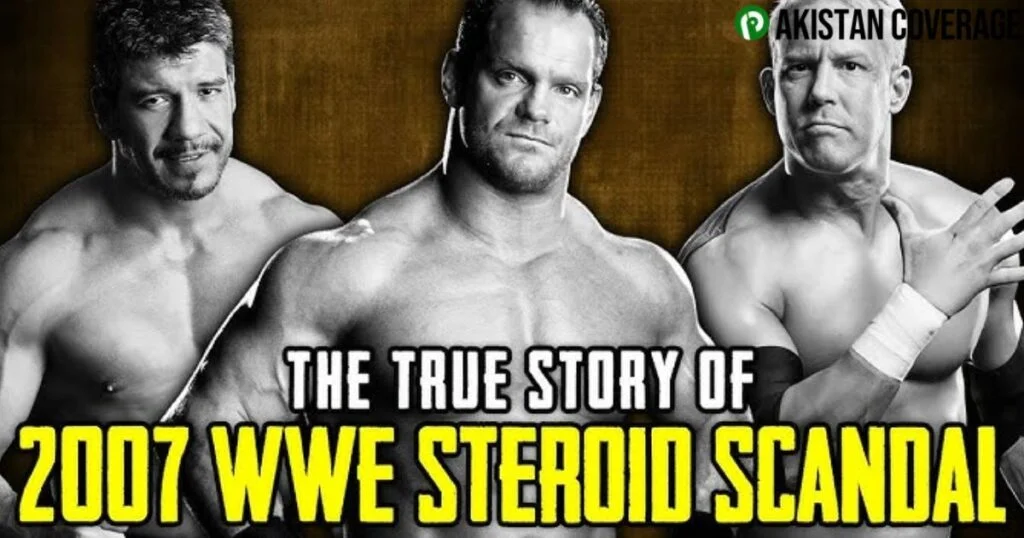
Back in 2007, WWE responded to growing public outcry and the shocking Chris Benoit murder-suicide by launching a formal Wellness Policy covering steroids, prescription drugs, and cardiac health. That year also brought the CNN Special “Death Grip: Inside Pro Wrestling”, which spotlighted the mental health and substance-abuse struggles behind the scenes. WWE wove these pain points into its storylines—but that year cemented the Wellness test as a shield for public image as much as athlete health.
Public Suspensions: WWE’s First Since 2007
On November 2, WWE suspended D.H. Smith and Chris Masters—marking the first public call-outs under the revamped Wellness policy announced on November 1 (aligned with 2007’s push for transparency) . Smith faced 30 days for initial violations, while Masters received a 60-day ban under a second-offense rule. The public nature of these bans echoes WWE’s original 2007 intent of corporate accountability.
The Smith Legacy: Steroids, Benoit, and Expectation
Smith’s suspension reignites awkward 2007-era echoes: his father died at just 39 with steroids cited in the coroner’s report, and Smith trained under Chris Benoit—whose tragic end prompted WWE’s original reforms. WWE now risks repeating past narratives: a seemingly reluctant “Wellness Policy” being forced into brand-saving PR action when tragedy looms.
MMA’s 2007 Lessons Unlearned
At a California MMA hearing on October 31, confusion ruled the room—echoing regulatory difficulties from the early 2000s. Officials and fighters offered conflicting statements on PED testing, weight cutting, and suspension policies. These contradictions hark back to 2007: a time when oversight lagged behind athlete risks, and transparency stayed elusive.
2007 Redux: Image Control vs. Athlete Care
From WWE’s early Wellness rollout to today’s public suspensions, the core issue remains: are these policies serving athlete health—or corporate image? In 2007, WWE designed Wellness to save face after Benoit; today, its suspensions follow a predictable PR script. Similarly, MMA’s unclear regulatory messaging suggests a system more reactive than preventive, and once again, the real victims are athletes.
Final Take: Learning from 2007’s Mistakes
WWE and MMA stand at a crossroads. They can choose to learn from 2007’s overdose of drama, invest in proactive testing, mental-health support, and consistent enforcement—or merely repeat the same scripted performances. True wellness isn’t about branding—it’s about protecting lives.